MACH Affiliated Graduate Studios & Seminars
One way MACH reaches graduate students beyond those working on MACH research is through studio and seminar courses offered at several MACH institutions. To date, these have included urban planning studios at Rutgers in New Jersey; a policy workshop and seminars at Princeton; design studios at Columbia focused on coastlines, exploring policies, practices, and design strategies for coastal zones in the United States; and design studios and skill-based courses at the University of Pennsylvania.
Learn more about MACH-affiliated studio and seminar efforts at the following universities:
Columbia Univeristy
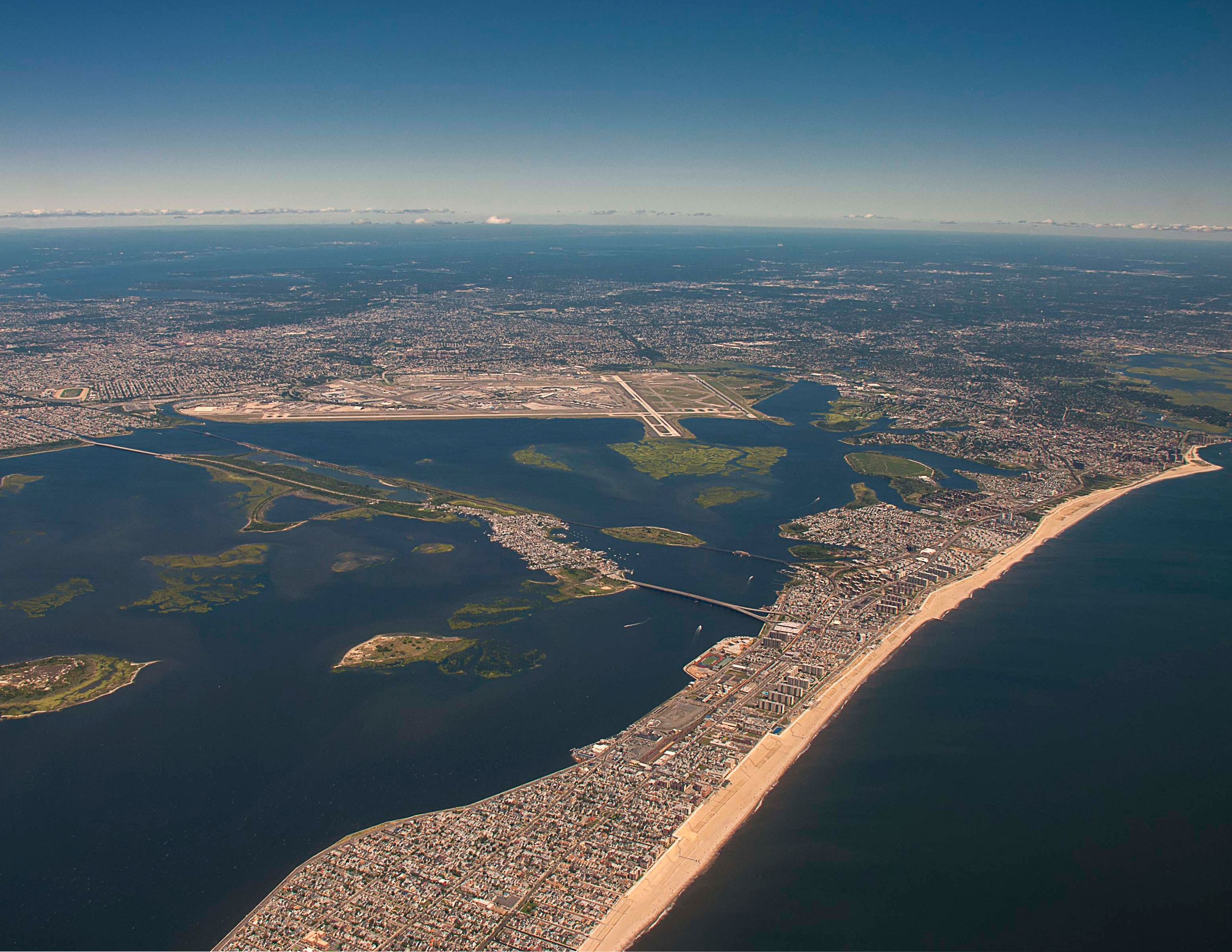
Fall 2025 | The Bight Studio: Pine Barrens, Power Brokers, Development and Displacement on the World’s Most Contested Coastline was a regional urban design studio in Columbia’s MSAUD program that confronts the intertwined crises of housing affordability, climate change, and displacement across the New York–New Jersey Bight. In partnership with MACH, the studio situates New York City not as an isolated metropolis but as one part of a larger, fragile regional system linking cities, small towns, suburbs, coastlines, marshlands and highlands. Students examined how historical development pathways—particularly car-centric suburbanization, exclusionary zoning, and centralized power—have produced today’s housing shortage, social inequity, and ecological vulnerability.
Universty of Pennsylvania
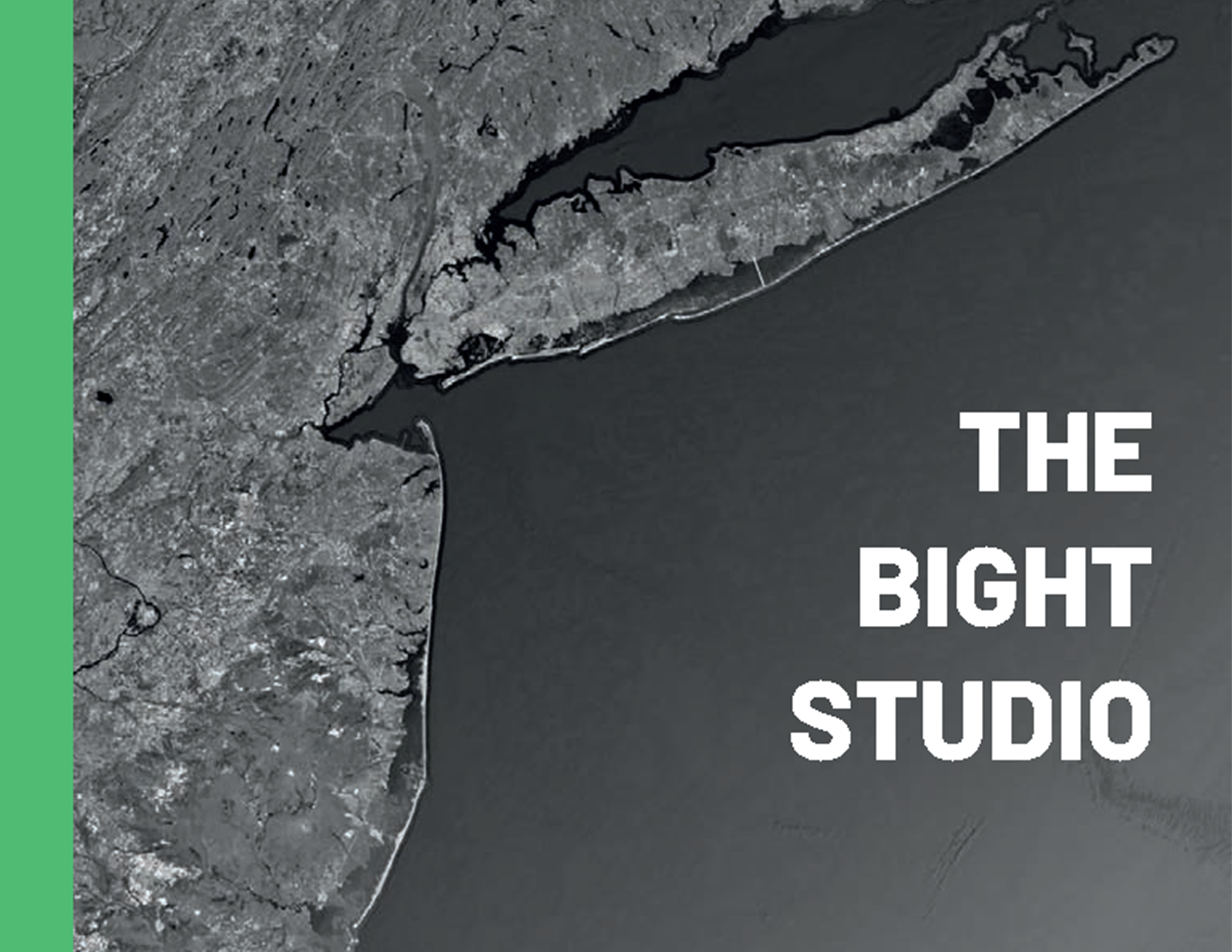
Spring 2024 | UPenn MACH Superstudio digest. During the Spring '24 semester, this interdisciplinary urban planning-landscape architecture team shared regular updates on research addressing climate challenges faced by Salem and Atlantic City, New Jersey. These areas, facing serious risks from sea-level rise and urban pressures, serve as critical case studies for understanding broader ecological and societal challenges. They published their updates through Substack. Each update includes a short writeup (around 800 words per group), with maps, doodles, animations, brief podcasts, and more. Their goal for the digest is to be concise yet generative: they shared inquiries and possibilities rather than polished theses, in the hopes of inviting our audience into conversation and co-consideration.
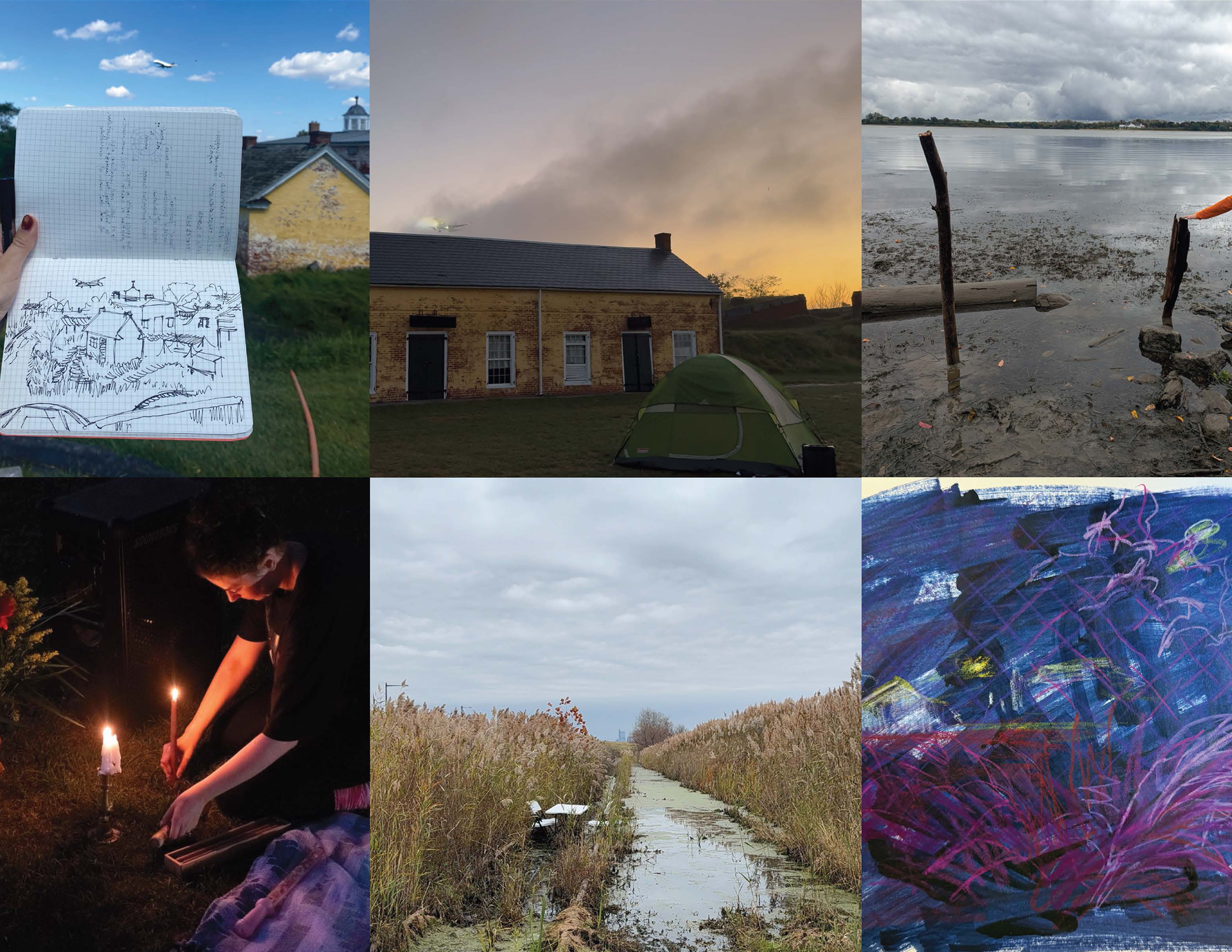
Fall 2025 | Fieldwork: physical explorations of landscape temporality. This seminar provided the opportunity to physically and experimentally explore a series of coastal landscapes through what could be loosely considered “fieldwork". Students engaged the multi-temporal conditions of landscapes by way of on-site exploratory surveys. Methods included lens-based (photo/video/drone) and experimental modes of site analysis. The class was organized around four weekend fieldwork trips that aligned with the MACH focus areas in Philadelphia, New Jersey, and New York.

Fall 2025 | Communion, Grounds for the Collective Facing of Change: whole-hearted design approaches for coastal transformation. This design studio, explored how art and design can foster collective emotional and spiritual resilience in the face of climate change. The studio challenged students to look beyond conventional ecological design by integrating installations, sound, and site-specific performance to tune communities into their local waterways and environments.
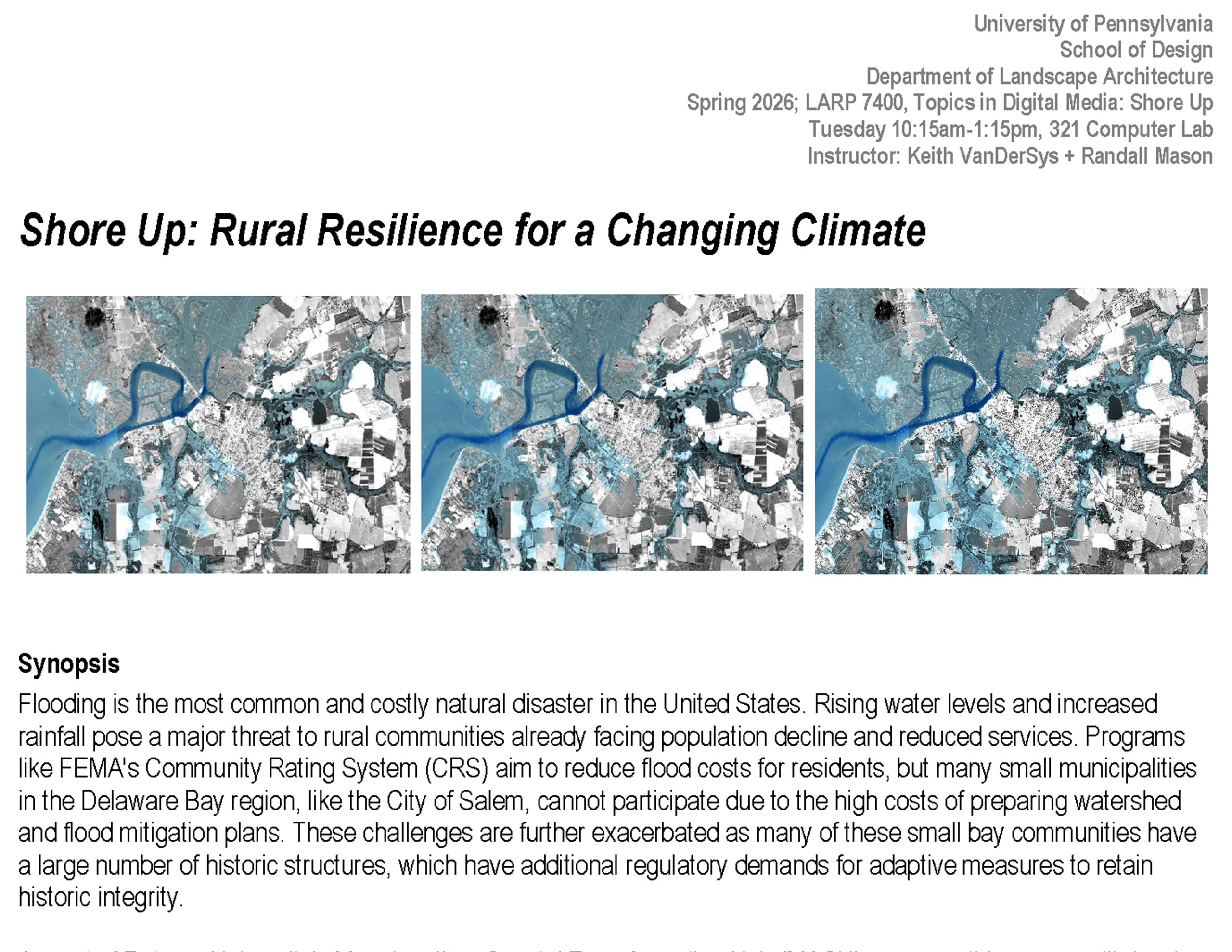
Spring 2026 | Shore Up: Rural Resilience for a Changing Climate. This seminar drafted a Delaware Bay Rural Resiliency Toolkit to support rural municipalities in developing and implementing multi-scalar (watersheds, neighborhoods, and coasts) mitigation strategies that strengthen historic identity, wetland restoration, and fl ood reduction. The Toolkit will be made available online in the near future.
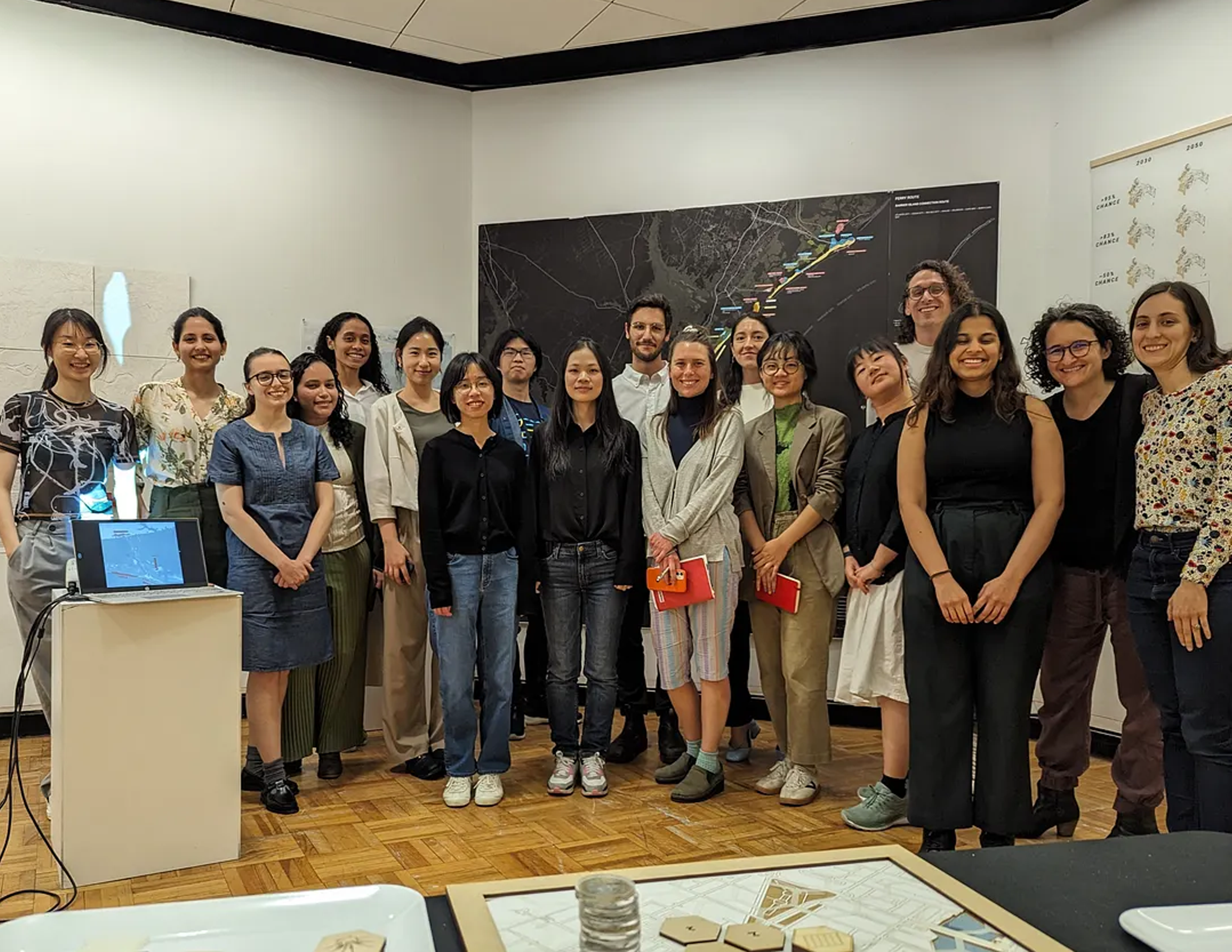
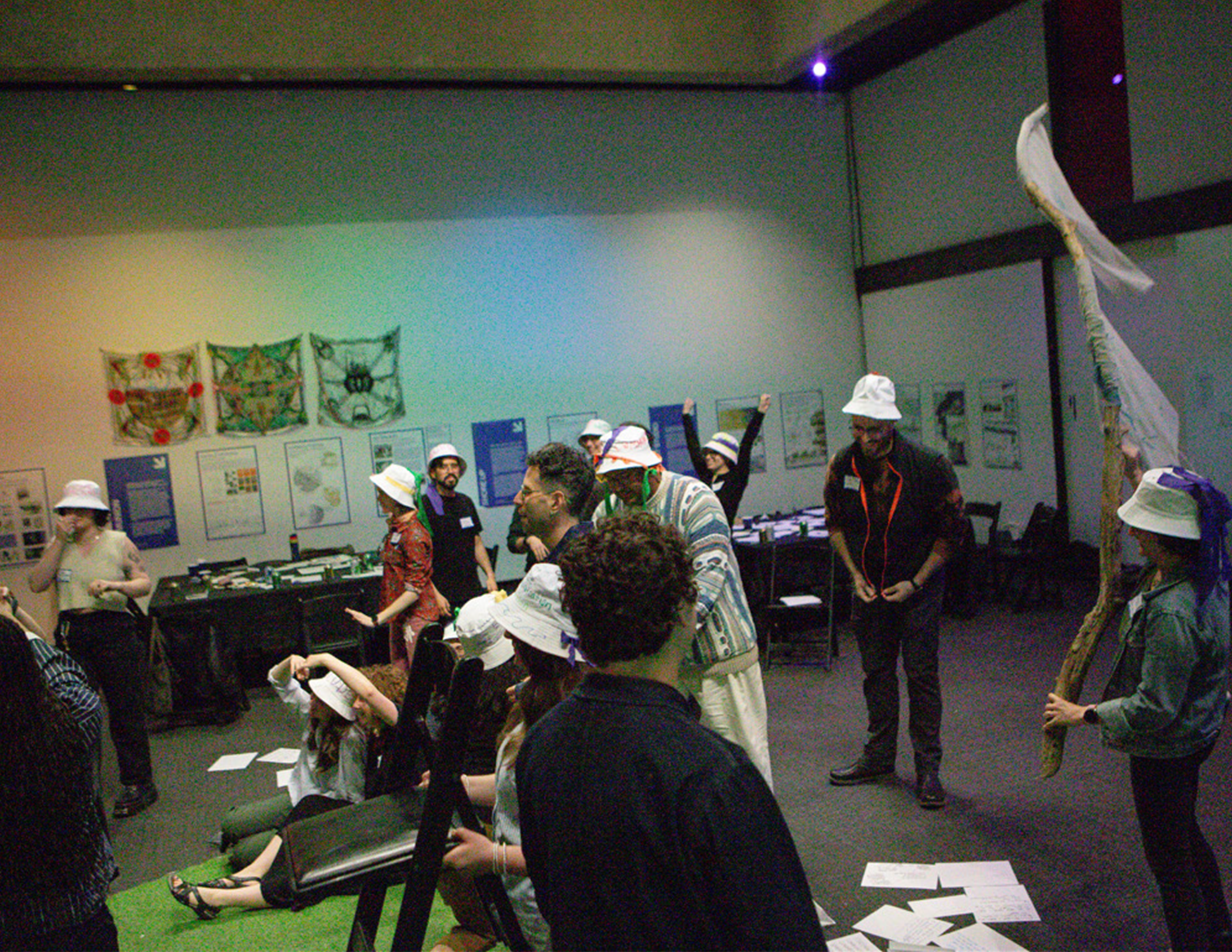
Spring 2026 | A Transdisciplinary Climate Exchange: MACH design research network convening. The McHarg Center at the University of Pennsylvania hosted a full-day convening in Philadelphia on Saturday, April 11, 2026. The event brought together MACH design and planning studios from Penn, Columbia, Rutgers, and Princeton, along with early- and mid-career professionals in climate-focused industries. Students presented MACH-supported coursework through presentations and posters. All attendees took part in a series of discussions and engagement activities. The event provided learning and networking opportunities for 60+ students, recent graduates, and young professionals in climate-related fi elds in the MACH region. Outcomes are being compiled and will be presented through the McHarg Center website.
Learn more and read a preliminary summary document by visiting this link.
Rutgers University
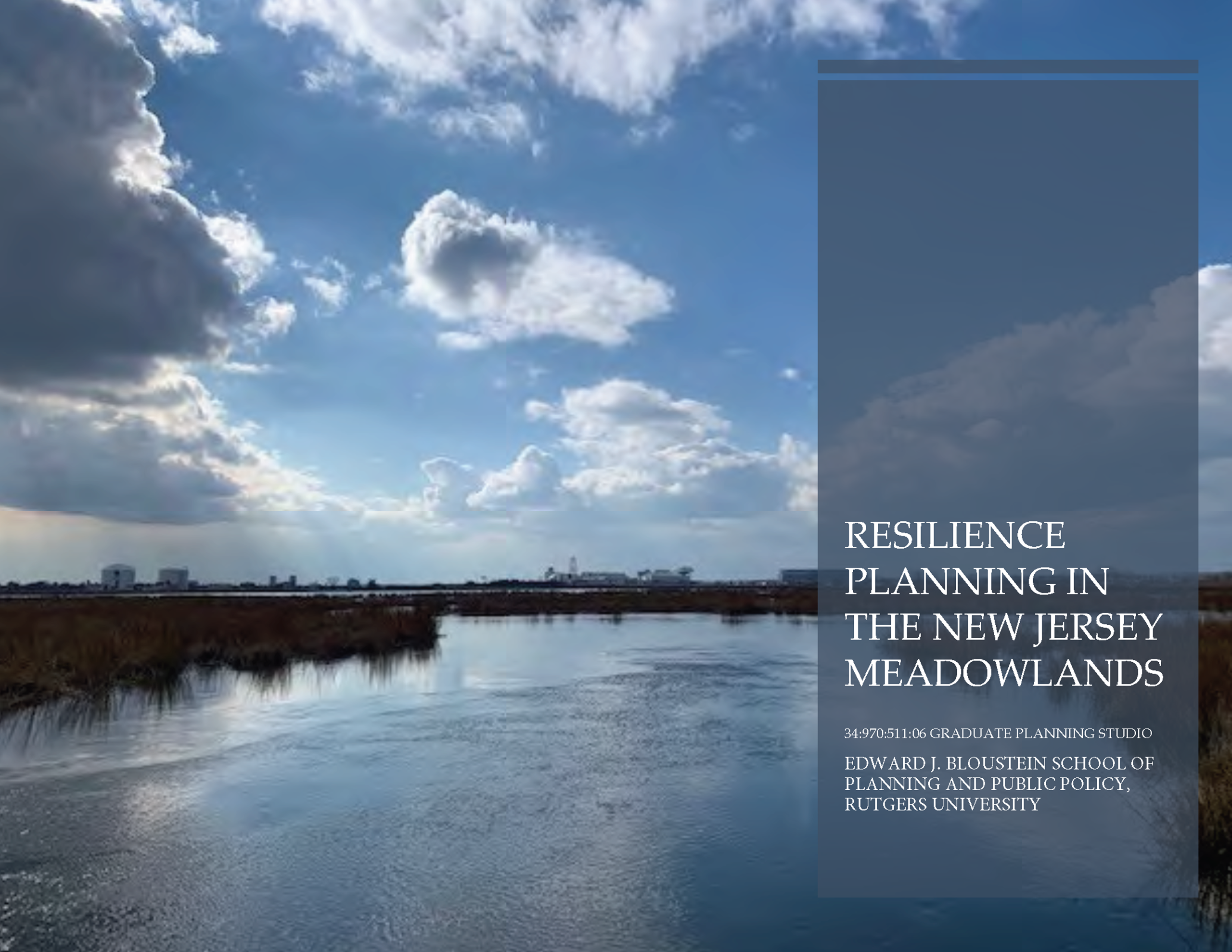
Spring 2023 |Resilience Planning in the New Jersey Meadowlands. This interdisciplinary graduate studio focused on an evaluation of existing resilience planning in the New Jersey Hackensack Meadowlands District and the larger Meadowlands region with a goal to share recommendations on possible next steps for promoting science-informed, and equitable climate adaptation. The final report includes a review of the twelve resilience mitigation strategies outlined in the NJSEA’s 2020 Master Plan update, as well as resilience elements of the U.S. Department of Housing and Urban Development Rebuild By Design planning process. In addition to reviewing the NJSEA’s efforts in managing and maintaining stewardship of the land, this report also incorporates materials by the Meadowlands Conservation Trust (MCT), which was established by law in 1999, to acquire, preserve and manage ecologically sensitive areas. This studio also reviewed a variety of other stakeholders’ climate mitigation plans, including county Hazard Mitigation plans, four plans developed in other areas of the state as part of the Resilient NJ program, municipal master plans for the fourteen municipalities within the District, and the products of the Rebuild By Design initiative.
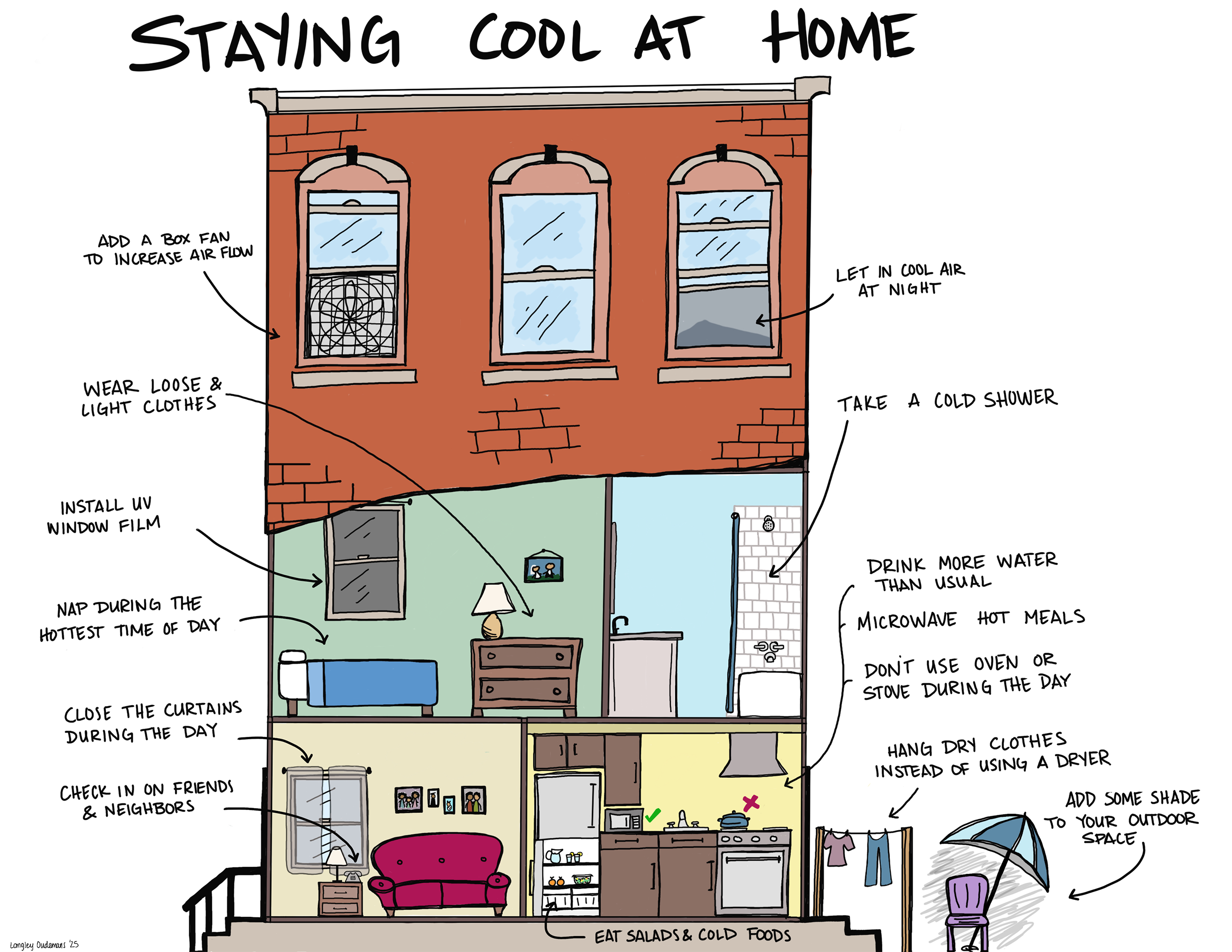
Spring 2025 | Building Resilience to Extreme Heat in Cities: A Look at Strawberry Mansion, Philadelphia. During the Spring 2025 Semester, this studio worked with the City of Philadelphia’s Office of Sustainability (OOS). OOS
approaches environmental justice and resiliency issues through its Place-Based Initiative Program, which uses neighborhoodbased projects to direct solutions toward the most vulnerable residents in the city. This studio aimed to assist the OOS with the beginning of this heat-based initiative in Strawberry Mansion. The final report serves as a summary of work accomplished over the semester including, case studies of heat mitigation around the country that would be relevant to Philadelphia, a heat analysis to provide Strawberry Mansion-specific examples of current heat conditions in the neighborhood and possible solutions, and communication materials that the OOS team could use as they begin the community engagement process.
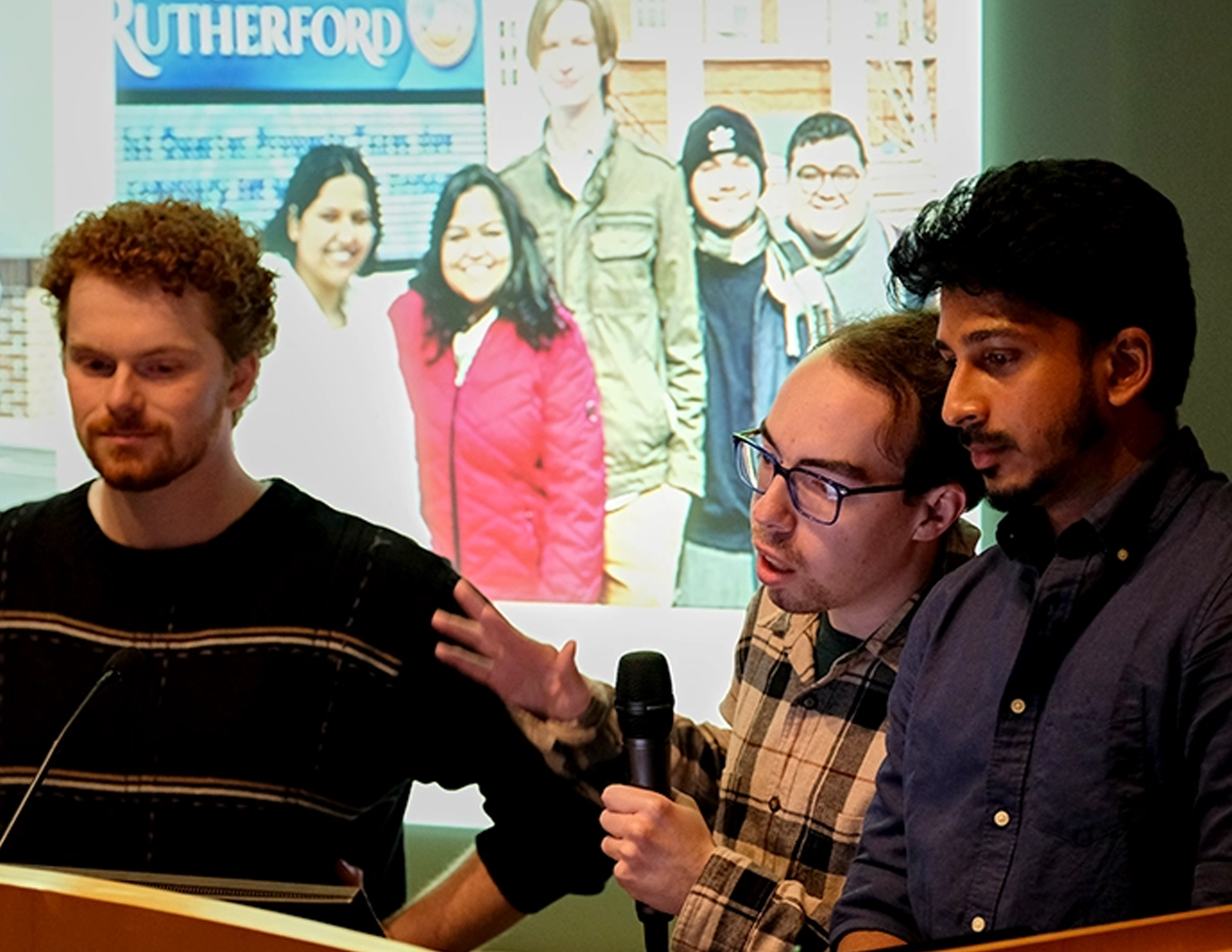
Spring 2026 | Advancing Climate Resilience through Municipal Land Use Planning. Students in this studio course partnered with three New Jersey municipal clients: Maurice River Township (Cumberland County), Pennsville Township (Salem County), and Rutherford Borough (Bergen County). The course provided a real-world opportunity to apply climate change hazard assessment to municipal master planning through the development of Climate Change Related Hazard Vulnerability Assessment (CCRHVA) chapters. The students used hazard vulnerability assessments to assess the implications of climate-related hazards on other elements of municipalities’ Master Plans. Studio
students also examined how the hazard assessment findings may be connected to other municipal plans, such as solid waste management, smart growth and development,
health, hazard mitigation, stormwater, and wastewater management. The final studio report is part of the larger final deliverable that CUPR will deliver to the NJDEP later this year as part of their Resilient NJ Municipal Assistance Program.
This studio is the recipient of the 2026 NJPO Achievement in Planning Award. Read more here.
Princeton University
Spring 2026 | Climate Change Adaptation and Transitions in Floodplains. This design seminar focused on the challenges, failures, and successes in adaptation and managed retreat initiatives. Investigative examples were from the New York area and the Mississippi region, as well as Japan, Vietnam, and Europe. All explored locations were reviewed with the perspectives of managed retreat or adaptation in place (e.g., Venice, Hoi An, and the Tohoku region). Students were asked to think about the ways that design has entered to enable what has been called “losing place, restoring home”. The goal of the seminar was to identify and critique failures and, by design, develop alternative methods and outcomes.