Stakeholder Engagement
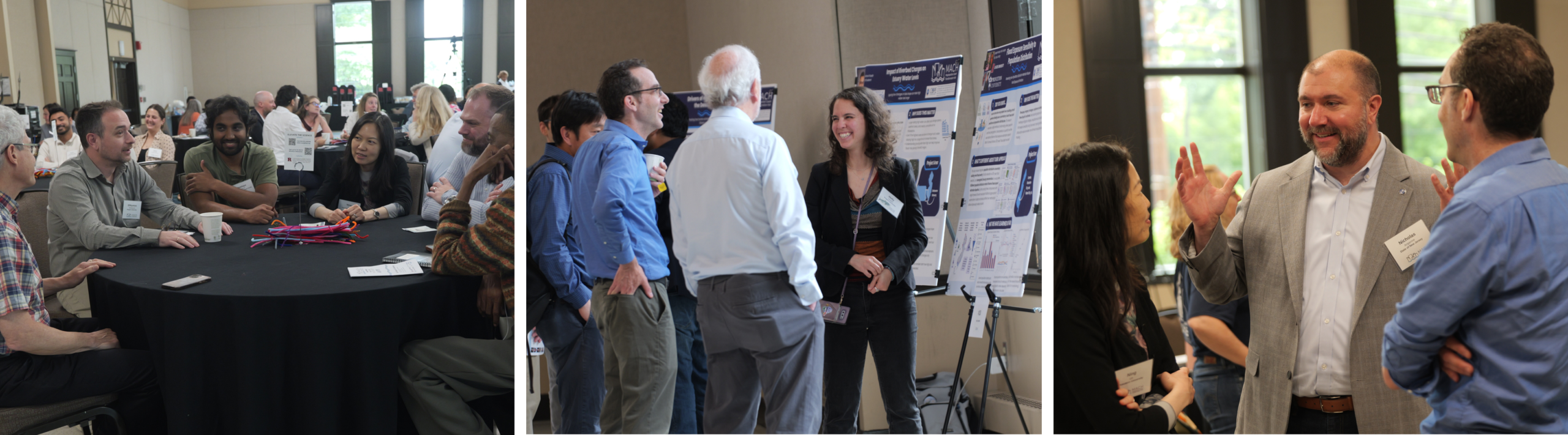
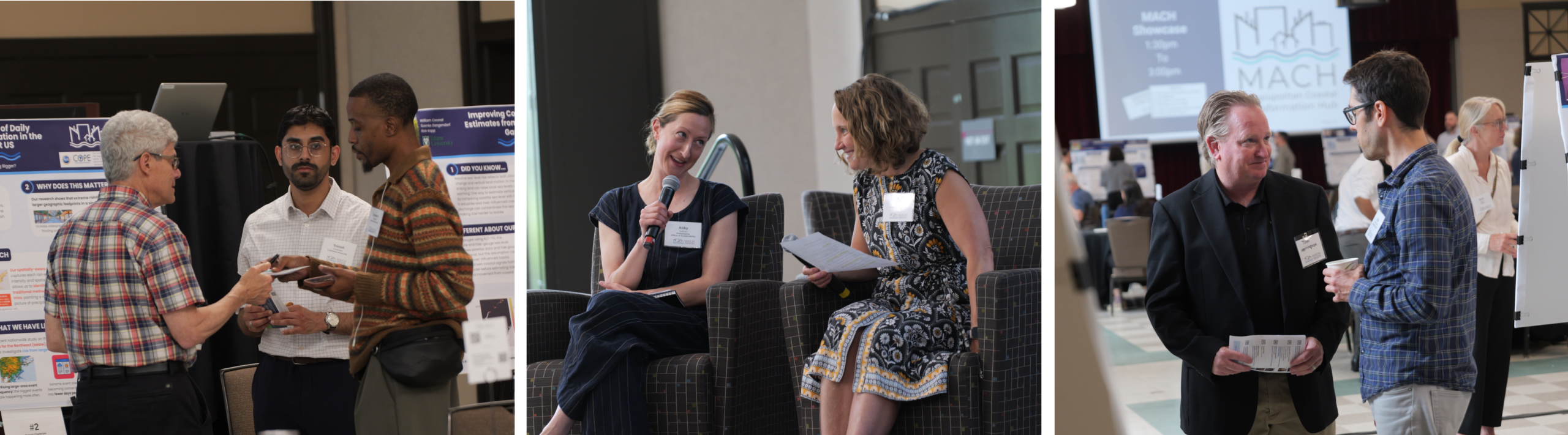
How are we incorporating Stakeholder Engagement into our work?
Philadelphia
New Jersey
MACH has maintained a strong relationship with the State of New Jersey, especially the Department of Environmental Protection (DEP). For example, at the request of the NJDEP, the third New Jersey Science and Technical Advisory Panel on Sea-Level Rise and Coastal Storms (STAP) undertook an assessment to update the sea-level, tidal flooding, and coastal storm hazards facing New Jersey. This process was facilitated by the New Jersey Climate Change Resource Center, whose co-directors make up some of the MACH engagement team, and many of the STAP members are members of the MACH research team.
MACH’s relationship with Camden County stakeholders has continued to evolve. Over the past year, MACH’s Household Decision Making research team and the Coastal Climate heat-impacts and Risks team have formed research partnerships with community-based partners and stakeholders in the City of Camden. These relationships have been shaping the research approaches in that location. Of particular note are the connections made by those studying urban heat in this region. The research team has emphasized team integration across multiple academic groups, city officials, and community organizations. In the last year, they have developed and strengthened relationships with the Camden Office of Civic Engagement and Rutgers Medical School. Additionally, they have met with Camden City, the County Municipal Utilities Authority, Yorkship Elementary School, Your Community Foundation, and Cooper Health. They have also attended community outreach events through their partner organization, CHAMP, which helped connect them with the Health Family Community Center, LUCY Outreach, Rutgers VOCES De La Comunidad, Rutgers Mid-Atlantic Regional Center for Humanities, Cooper Poynt School, Rutgers Camden 4H, and Neighborhood Collaborative Community Gardens (NCCG).
In Manville, NJ, an area subject to recurrent fluvial flooding, MACH researchers have studied Hurricane Ida (2021) impacts, including building and infrastructure damages, loss of emergency services, and search and rescue challenges, as well as the effects of property buyouts on municipal finance (linking the Coastal climate risk and the Municipal finances focus areas). As part of MACH’s research focal area investigating climate risk perceptions of renter-dominated households, members of MACH’s Household Decision-Making Team have a partnership with Manville Public Library. This relationship helped open doors to interviews with renters and residents and has spurred the creation of a storymap to interpret past and future flood risk.
New York City
MACH Region
Regionwide: The intersection of coastal climate risk and housing affordability is one focus of MACH’s convergence and future regional synthesis outputs. Many MACH Circles are producing data to inform questions such as:
- Where can housing be located to minimize risk?; and,
- How do we finance and guarantee the insurability of affordable, safe, sustainable, and transformative housing?